The main companies of the sector meet at AveSui 2018, which will take place in Medianeira, western Paraná
1
The main companies of the sector meet at AveSui 2018, which will take place in Medianeira, western Paraná
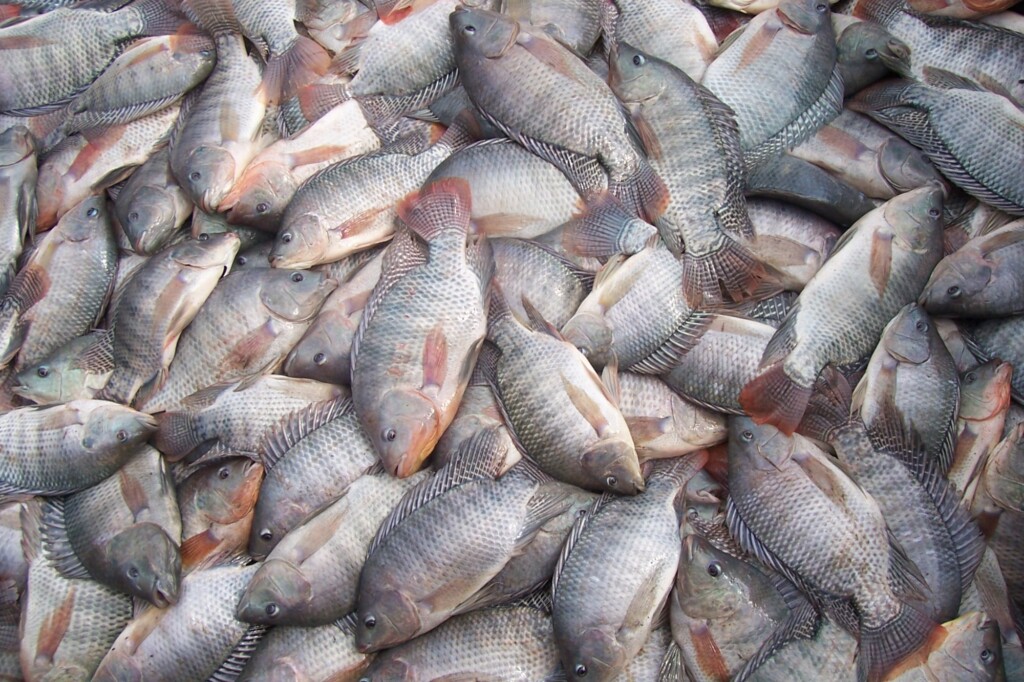
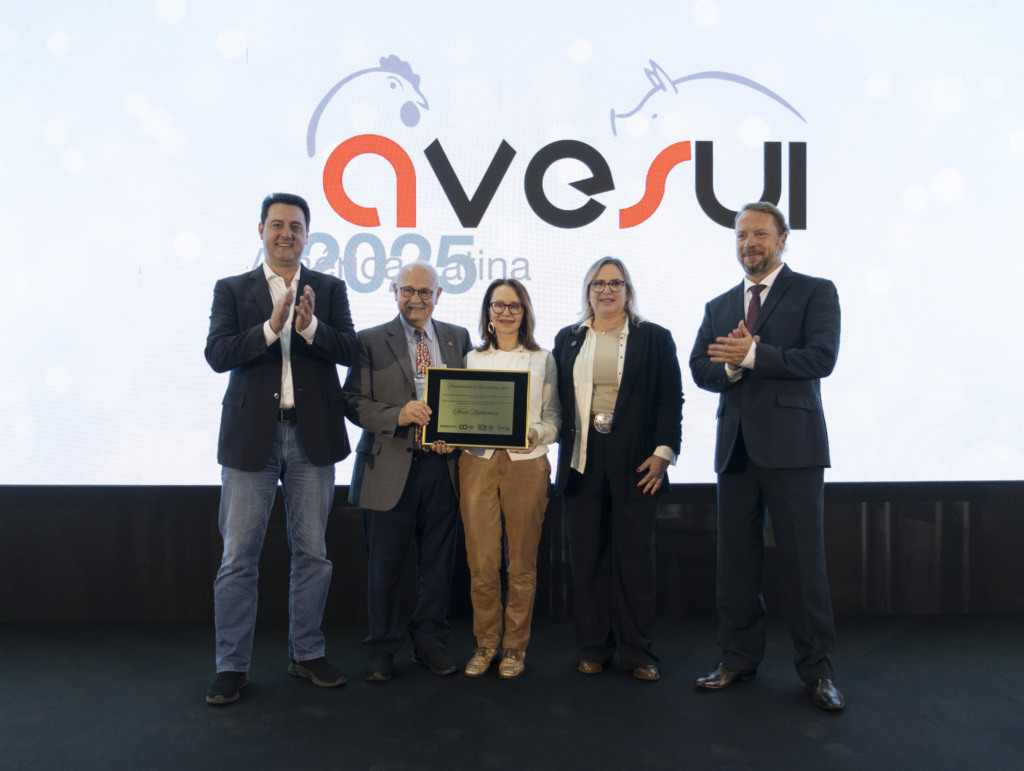
 Brazilian fish farming produced 640,510 tons in 2016. Paraná, Rondônia and São Paulo are the main producing states, according to statistics released by the Brazilian Fisheries Association (PEIXE BR). In total, the activity generated R$ 4.3 billion, generating 1 million direct and indirect jobs. In this context, Paraná is the leader in fish farming in Brazil. The State will receive from August 01 to August 3 the AveSui 2018, which this year adds to the fair the production of fish.
This data is part of the unpublished statistical survey of the activity done by the Brazilian Fisheries Association (PEIXE BR) and published in the Brazilian Yearbook of Fish Farming – edition 2016. According to the survey, the State of Paraná is the leader in Pisciculture in Brazil producing 93,600 tons of fish farmed in 2016. “Paraná has overcome the adversities of the year and, with the indispensable work of independent aquaculture projects and especially cooperatives and their integrated producers, grew by 17% in 2016,” the publication describes.
Other states
The vice-leader is from Rondônia, which produced 74,750 tons of fish in 2016. Growth was significant in relation to 2015: 15%. Highlight the increase in round fish projects, a characteristic feature of the activity in the state. São Paulo is the third largest state in fish farming in Brazil, with 65,400 tons produced in 2016. The state grew 9% in 2016, maintaining the annual average of growth and with a trend of greater evolution due to the signing of the state decree that regulates the licensing environmental.
Mato Grosso is the fourth largest producer of farmed fish in the country. The state produced 59,900 tons in 2016. The state lost space in activity, shrinking 19% in just one year. Santa Catarina is one of the leading states in the production of farmed fish, also maintaining the annual average growth, reaching 38,330 tons in 2016.
Sector organizes petition for more support to Mapa
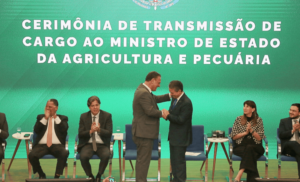
Brazilian aquaculturists are demanding that the sector be re-regulated by the Ministry of Agriculture, Livestock and Supply (Mapa). In an audience with Minister Blairo Maggi, on Friday (February 16), the president of Peixe BR (Brazilian Fisheries Association), Francisco Medeiros, asked the minister to support the claim of the sector. They claim that they are being harmed by a lack of a more specific policy for captive fish farmers. This production involves a chain that includes food factories, medicines and slaughterhouses, all inspected and registered with the Department of Agricultural Defense (SDA) of the Mapa.
This and other demands will find room to expand during AveSui 2018, which presents to Latin America the strength of Brazilian fish farming that in 2017 produced more than 700,000 tons of fish in captivity, with more than 50% of tilapia, which is also the most exported. The sector is growing around 15% per year, but, according to Peixe BR, it could grow 25%. The minister said he supports the claim of the producers.