2019 Fair to present technology for fish farming, Brazil’s fastest growing animal protein sector
1


2019 Fair to present technology for fish farming, Brazil’s fastest growing animal protein sector
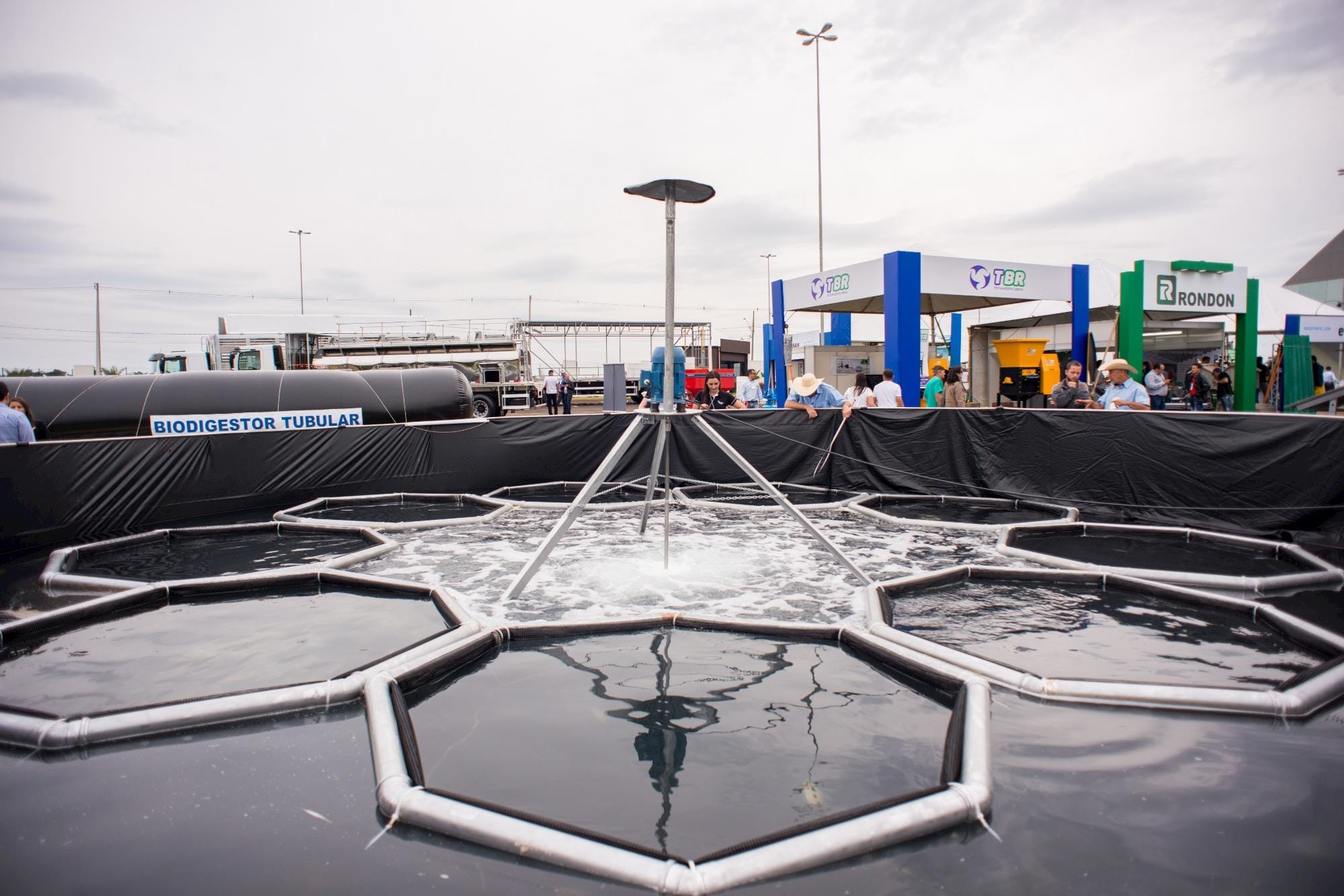
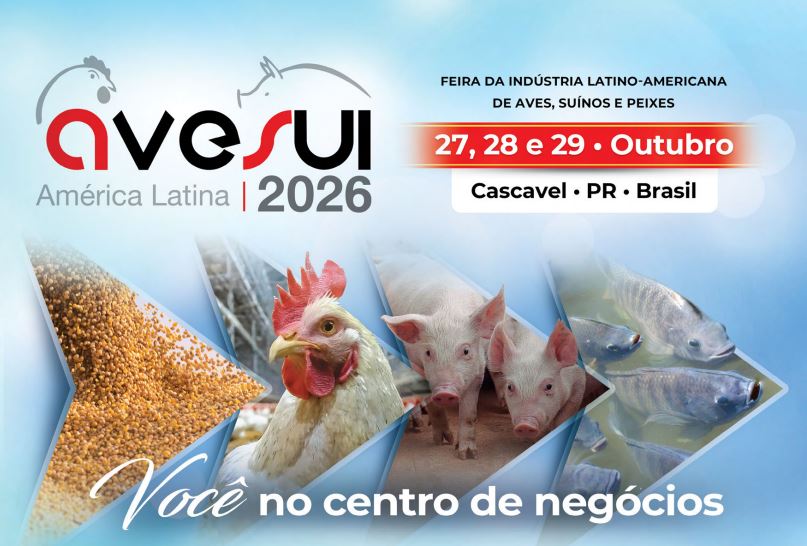
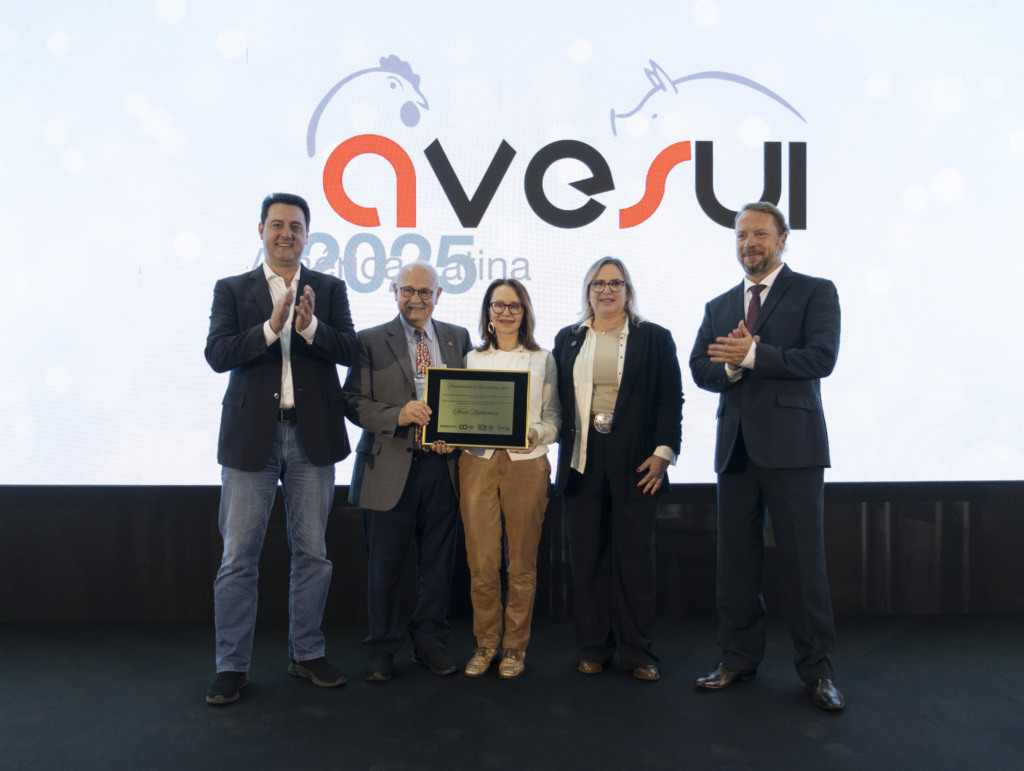
The most advanced animal protein sector in Brazil is fish farming, with 25% growth since 2014 and a total of 722.5 thousand tons last year. AveSui EuroTier South America is taking place in Medineira, Paraná, at the epicenter of ‘fish multiplication’ in Brazil.
Paraná is the largest producer of tilapia, the principle species produced in Paraná. Brazil’s southern region leads production in the country with approximately 25% of the country’s total. The fish sector in general generated more than US$136 million in exports during 2018.
According to the PeixeBR Yearbook of Psiculturist 2019, expectations for this year are positive and enthusiastic for the future. Brazil is already the 4th largest producer of tilapia globally, but also has significant production of salmon, carp and panga.
Among the native fish, the most prominent is tambaqui and the Brazilian states which lead the chain are Rondônia, Mato Grosso and Maranhão, with almost 60% of the total national supply; only Ceará and the Federal District have no registered fish production.
In addition to being one of the ‘proteins of the future’, the fish sector has financing lines from BNDES and Finep, as well as exporting companies, 455 thousand aquaculture establishments and several other initiatives to promote the sector.
For Flávio Paulert, manager of the Department of Fish at C.Vale, technological updates are indispensable in maintaining the competitiveness. “Participation will allow us to compare what is being done with what others do, in addition, to tune into the news. C.Vale usually sends representatives or encourages the presence of our producers to update themselves, to know the innovations and improve their results,” he explained.
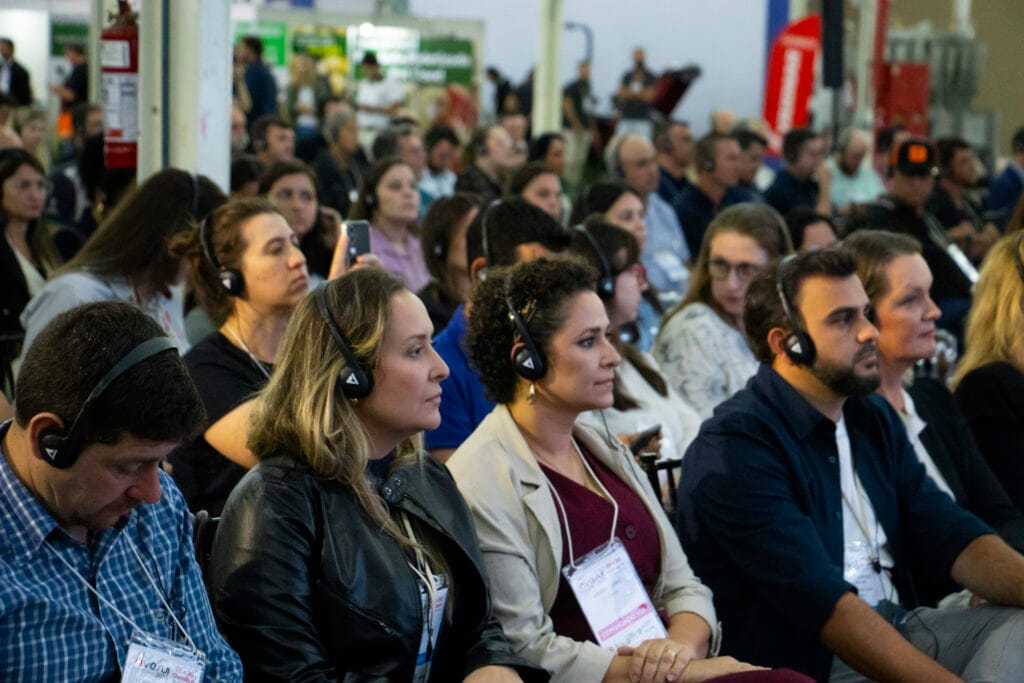
In turn, Nestor Braun, Manager of Fish Integration at Copacol, highlights the importance of the event in several aspects. “It is a showcase and a meeting point for professionals, companies and producers of poultry, pigs and fish segments where we operate. It will allow us to evaluate what is best in technological innovations in the world for production, in addition to lectures with current themes and in line with our activities”, he said.
To produce quality and efficiency, cutting-edge technologies in ambience, nutrition, sanitation and handling are indispensable and will be accessible at AveSui EuroTier 2019.
This fair brings together the experiences of the traditional Brazilian event with global technology for animal production. This is another reason why the fair will have several exhibitors focusing on fish production.